Fans vs. official releases series, part 1 of 9: fan projects that went beyond what official releases delivered, and what happened to them.
I started playing at 4 and I have seen plenty of “definitive versions” that did not deserve the name. So I am opening this series with the case where fans not only did better but were recognized by the game’s owner: Black Mesa, the community-made remake of Half-Life.
What the official version delivered
Half-Life came out in 1998 and changed how shooters tell stories. When Valve launched the Source engine in 2004, the official version for it was Half-Life: Source, a conversion that kept maps and models almost identical to the originals, with little new beyond the engine’s physics and water.
What the fans did
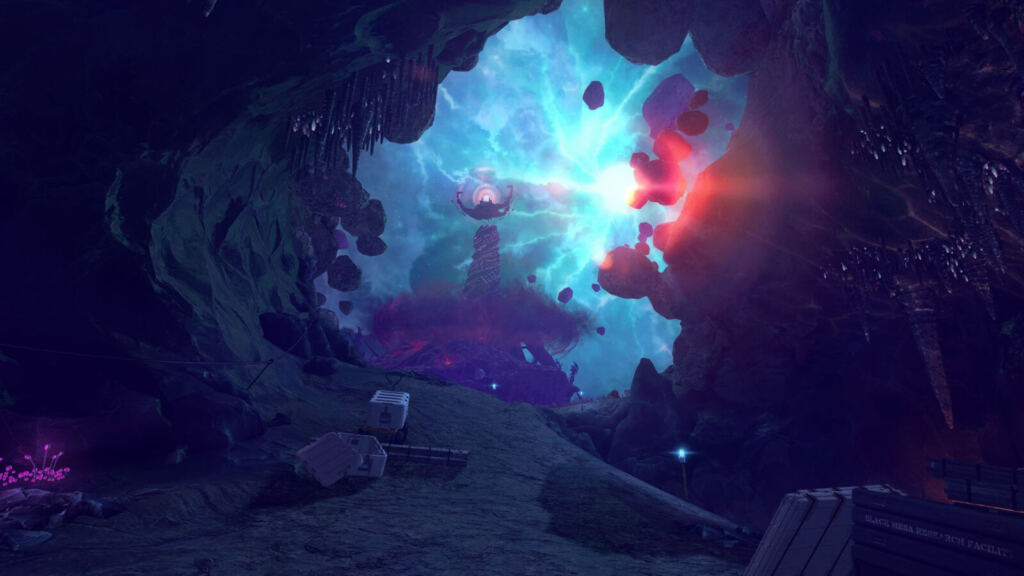
A group of fans, who later became the studio Crowbar Collective, set out to rebuild the whole game in Source, with new environments, models, lighting and music. It took years to reach the first version, a free mod released on September 14, 2012, with every chapter except Xen, the final section set in another dimension.
The project was one of the first approved by community vote on Steam Greenlight, and Valve allowed it to be sold as a commercial game. The paid version entered Early Access on May 5, 2015, and the new Xen arrived at the end of 2019, rebuilt from scratch and far bigger and more detailed than the 1998 chapters, which were the most criticized part of the original. Version 1.0 came out on March 6, 2020.
Why it matters for preservation
Black Mesa shows that respecting a classic is not just copying it: it means keeping the original’s pace and spirit while updating what aged badly. It also shows the best possible outcome for a fan project, when the company that owns the brand chooses to open the door instead of sending a takedown notice.
Black Mesa is sold on Steam, where the original Half-Life is also still available.
Source: Crowbar Collective and Valve.

 Max Xavier