Games ported to the browser and PC are versions of classics that run in a tab or as a native program thanks to emulation, recompilation, decompilation or open source code; on 27 October 2026, the Ported2Browser directory, launched on 29 September, listed 277 ports.
Back in the rental-store days, playing a classic meant finding the right cartridge on the shelf. Today many of those games fit in a browser tab. This SavePoint guide gathers what we have published on the topic and separates what you can play legally, without downloading anyone’s pirated copy. It is updated as new articles in the series go live.
How these ports work
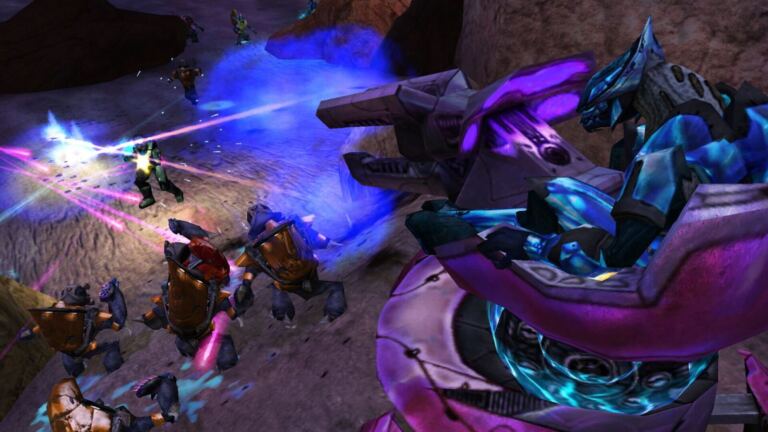
There are four main routes. Emulation imitates the original console inside the page. Recompilation translates the game code to run natively on PC, as in the projects that Quiver Launcher installs. Decompilation rebuilds the source code from the game, as in Combat Lab’s Halo: Combat Evolved. And source ports start from code the company itself released, like Doom, opened by id Software in 1997. Captain Pixel explained the directory that made the topic popular in Ported2Browser gathers 200+ games that run right in your browser.
Free and official
Some classics were released by their own creators: Minecraft Classic, which Mojang put in the browser in 2019; Celeste Classic, the original version of Celeste made in PICO-8; Cave Story, free since 2004; and The Elder Scrolls II: Daggerfall, which Bethesda made free in 2009.
With your own files
Other projects ship only new code and ask you to provide the original game data, such as an XISO image of your Xbox disc or the data file from your copy of Diablo. The files stay on your computer, and buying the game still goes through the official stores.
Open source and fan remakes
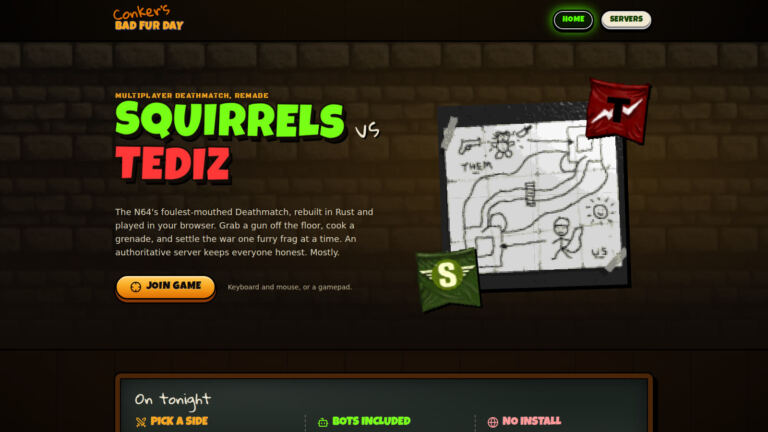
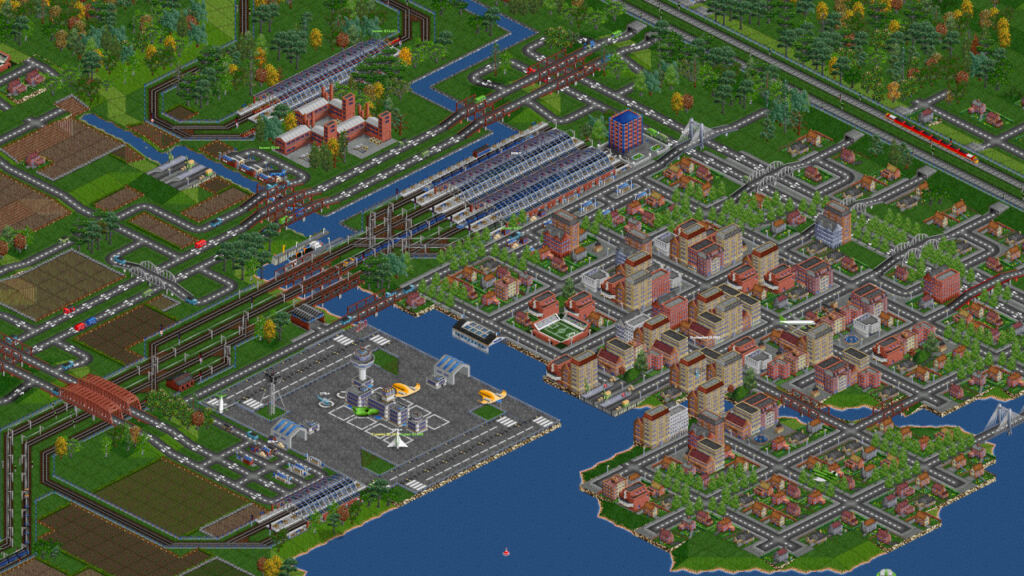
There are also games whose code was opened, such as the 1989 SimCity that became Micropolis in 2008, and the Command & Conquer versions EA released in 2020 and 2025, plus community rewrites such as OpenTTD. And there are fan remakes that use no ROM, like the Conker’s Bad Fur Day multiplayer rebuilt for the browser. To compare fan work with official releases, see the Fans vs. official releases series.
What SavePoint does not recommend
Many port sites host complete commercial games. We do not link to them: only projects without a paid game inside make it here, always with the official way to buy. Every article lives in our Preservation section.
Every article in the series
- Quiver Launcher: free app installs PC ports of Zelda 64, Super Mario 64 and other classics
- Play it in your browser: fans remake Conker’s Bad Fur Day multiplayer, with online matches and the original’s bots
- Fans vs. official releases: Black Mesa, the fan-made Half-Life remake Valve let them sell
- Halo: Combat Evolved in your browser: Combat Lab runs the decompilation with your own disc
Where to buy: PC controllers on Amazon
Source: Ported2Browser, Combat Lab, Mojang, Bethesda and EA.

 Sapo
 Max Xavier