
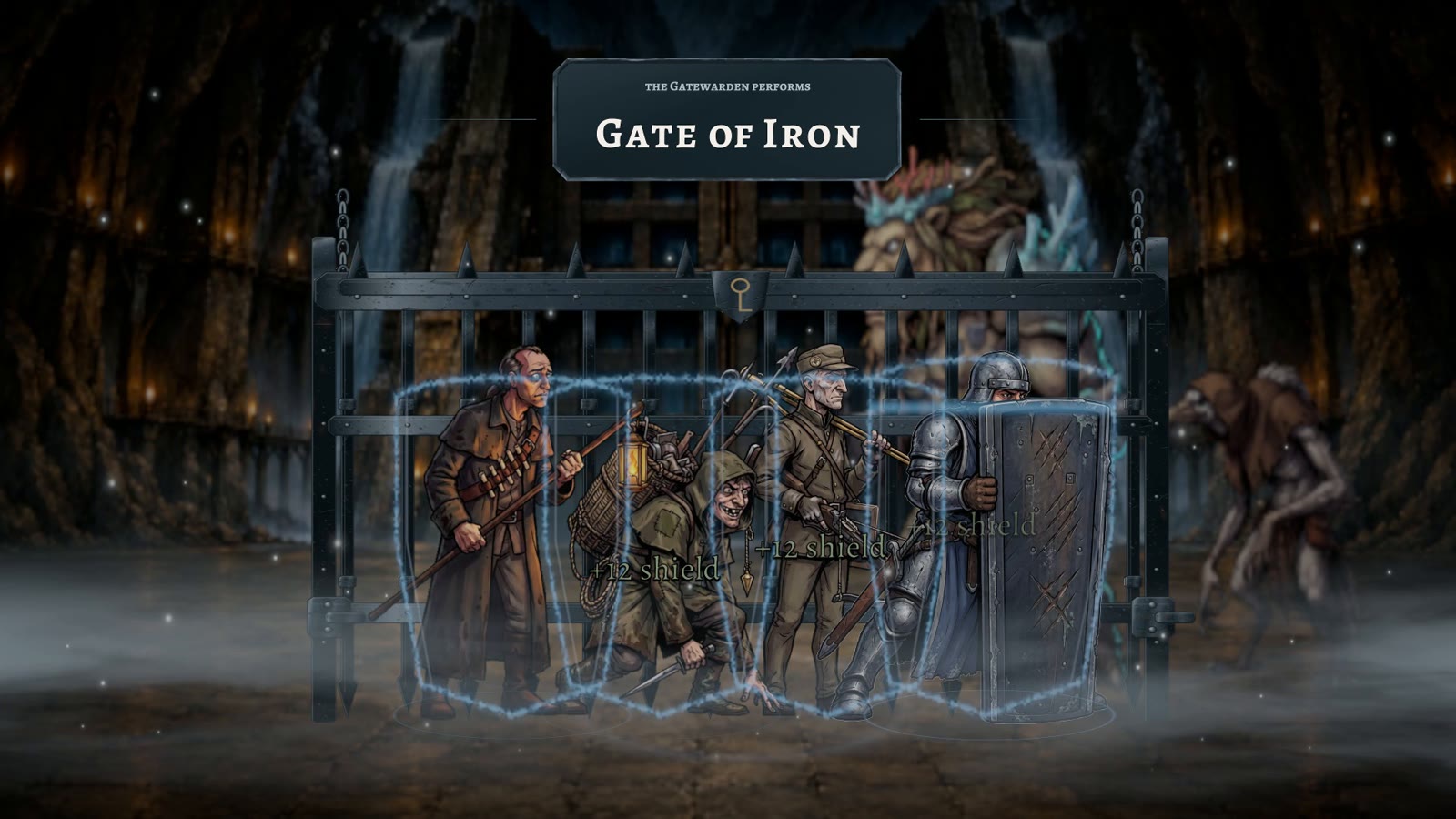
VEKARRA is a dark-fantasy party roguelite made by a Brazilian: Fernando Luz, born in Mauá, in the São Paulo metro area, and now living in Montreal, Canada, is building it in Unity under Lamplight Studio. You lead four heroes into the Abyss in turn-based tactical fights on a shared timeline, pick skills instead of grinding levels, and can play solo or in local co-op for two, on the same couch and the same screen. The free demo, featuring Act 1, is part of Steam Next Fest, which runs until October 26, already with Brazilian Portuguese, and Early Access is planned for the fourth quarter of 2026 on PC.
The game made our second list of festival demos, and I wanted to know more. I spoke with Fernando by email about his path, from cable TV box interfaces to an interactive wall at the Monica theme park in São Paulo, about how the combat really works, and about the use of AI in development, which he discloses openly on the Steam page.
The interview
Who is Fernando, and how did you end up in Montreal?
“I’m Fernando, born in Mauá, in São Paulo’s ABC region, and I’ve been working in development for over 13 years. I started as a JavaScript developer, building the interface for cable TV set-top boxes while I studied Game Design at Anhembi Morumbi. In 2016 I became a Unity Certified Developer, back when very few people in the world had that certification, and I dove headfirst into virtual and augmented reality.”

“I founded Virtual Light, which made VR showrooms for construction companies, created more than 12 event apps and built the interactive wall for the Missão Fundo do Mar attraction at Parque da Mônica, where a drawing a child makes on paper comes to life on the wall. Then I worked with computer vision, tried my first dark party game, Down Below, and in 2022 I moved to Montreal to work at Prologue XR, where we took CrimeTrip, an AR true crime game, from prototype to the stores.”
“Today I’m a senior developer at Zimmer Biomet, working on software for robot-assisted surgery, and VEKARRA is my personal project, the game I always wanted to finish.”
How was VEKARRA born, and why dark fantasy?
“I had tried this before with Down Below, a turn-based JRPG inspired by Darkest Dungeon. That project stalled, but the urge to make a dark party game never went away. VEKARRA is that idea, matured. I like dark fantasy because it gives weight to every decision: when the world is hostile, every well-played turn feels like a real victory.”
Your email mentioned active-time battles, but on Steam the combat is listed as turn-based. How does “read the attack and break the charge” work?
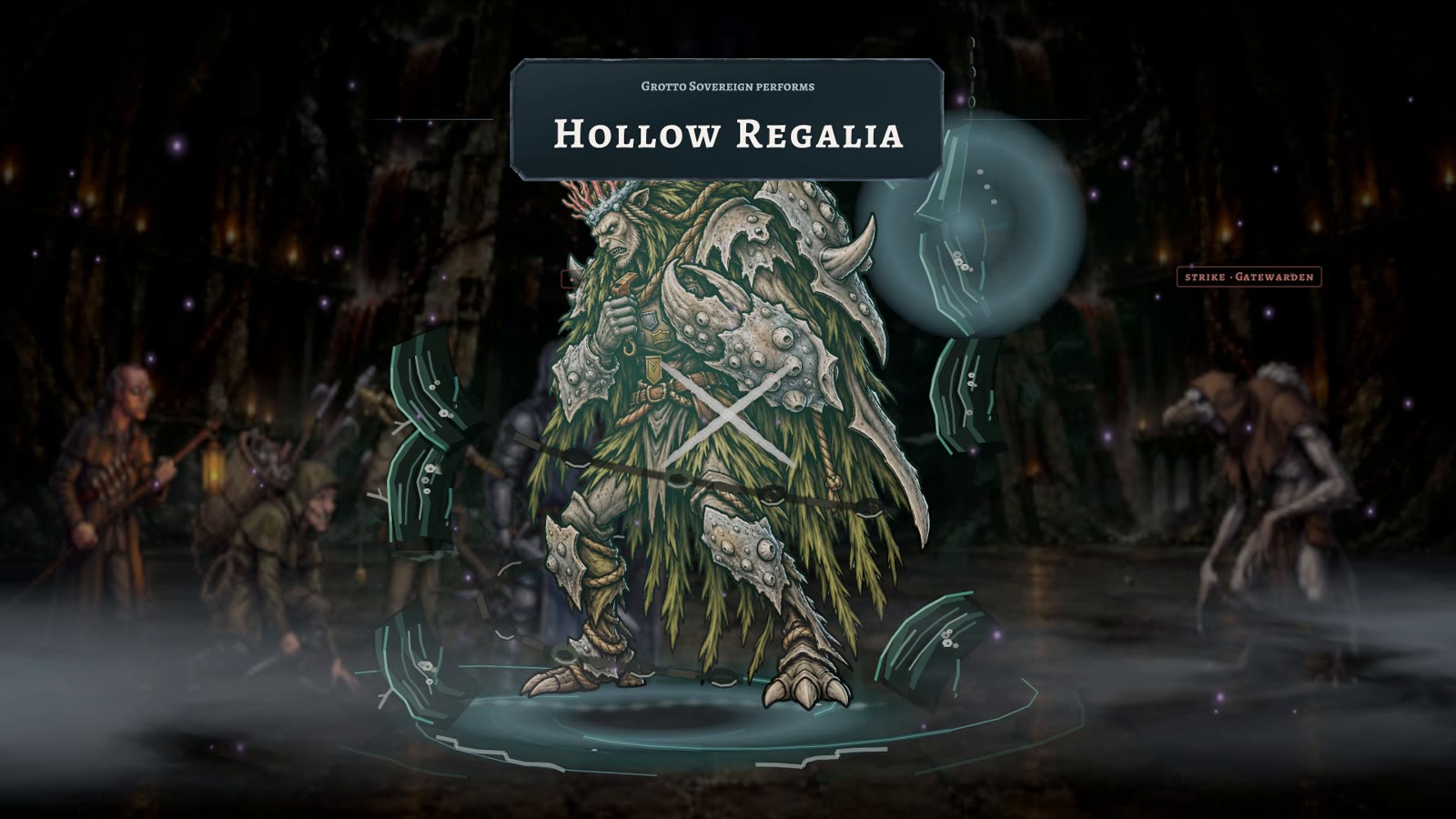
“‘Active time’ was a clumsy way of putting it in the pitch. The combat is tactical and turn-based, on a shared timeline. Most enemy attacks show up on the timeline before they happen, so you see what’s coming, plan and can interrupt the charge before it lands on your party.”
Why local co-op, on the same couch and screen, instead of online?
“Because I wanted the experience of sharing the couch and the screen, of turning to the person next to you and planning the move together. There are plenty of great online co-op games, but fewer and fewer games to play together on the same couch, and I miss that. VEKARRA can be played solo or as a pair, on the same screen.”
Online play is on the roadmap too, according to official material sent by Lamplight: online co-op for two is planned for Early Access, and version 1.0 should bring co-op for up to four players plus PvP, both online and local.
Why skill-choice progression with no level grinding?
“Because every run should be worth the decisions you make, not the hours you put in. The fun is building your party each run and seeing your choices make a difference right away, without having to replay content to get stronger.”
What do players find in Act 1, and what do you hope to get from Next Fest?
“The free demo brings Act 1, to play solo or in local co-op for two. From Next Fest I mostly hope for feedback: seeing people play, make mistakes and discover the mechanics. That’s worth gold for the rest of development.”
The game uses AI assistance for code, graphics, sound and text. How does AI fit into your process?
“I make a point of being transparent: VEKARRA uses AI in the code, the graphics, the sounds and the text. AI isn’t new to me. In CrimeTrip I built a voice interrogation where you talk to the suspects, and I made a jam game, Viva La Execution!, with AI-generated dialogue. I also maintain open source projects in the field, like AI-Pulse, which runs language models locally on your computer.”
“In VEKARRA, the code is written by AI agents working in parallel, but everything goes through automated tests and review before it gets into the game. For the art, I use generative AI in the animations, always curated by me. The vision, the design and every decision in the game are human. Being open about it is a matter of respect for the players.”
What is it like to be a Brazilian developer working abroad?
“The Brazilian scene is what shaped me. I took part in SPJam and Global Game Jam, and I won seven hackathons, four of them in first place: Campus Party’s HackaEngage, the FIESP hackathon, VISA Agitech and even one in Italy, EIT Digital’s DeepHack. That taught me to do a lot with little time, which is basically the life of an indie developer. Even living abroad, I keep an eye on what people back home are releasing, and I’m happy to see more and more Brazilian games showing up in showcases like Next Fest.”
How did you approach the Brazilian Portuguese localization?
“The demo and the game have Brazilian Portuguese localization right now. For me that was mandatory: I’m Brazilian and I want people back home to play in their own language from day one.”
What is the plan until launch, and what comes after?
“Early Access is planned for the fourth quarter of 2026. Until then, the focus is on listening to the people who play the demo and polishing the game. After that, the idea is to keep evolving VEKARRA together with the community during Early Access.”
Answers translated from Portuguese and lightly edited for length and clarity.
See also our monthly game release calendar.
Source: SavePoint email interview with Fernando Luz (Lamplight Studio).


Leave a Reply